
The Problem
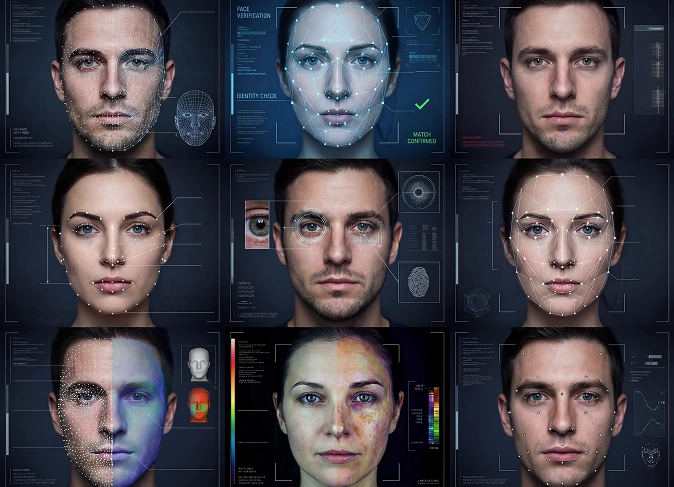
A client's face-biometric model couldn't reliably recognize faces across diverse ethnic groups. In-house and open-source data skewed heavily European, and accuracy sat around 91% for some ethnicities, which is low enough to fail Level 1, with launch delays, market-access limits, and contractual risk behind it.
- Limited diversity: predominantly European faces, little ethnic range.
- Too few real-world attack scenarios for underrepresented groups, weakening robustness exactly where the model was already weakest.
Solution
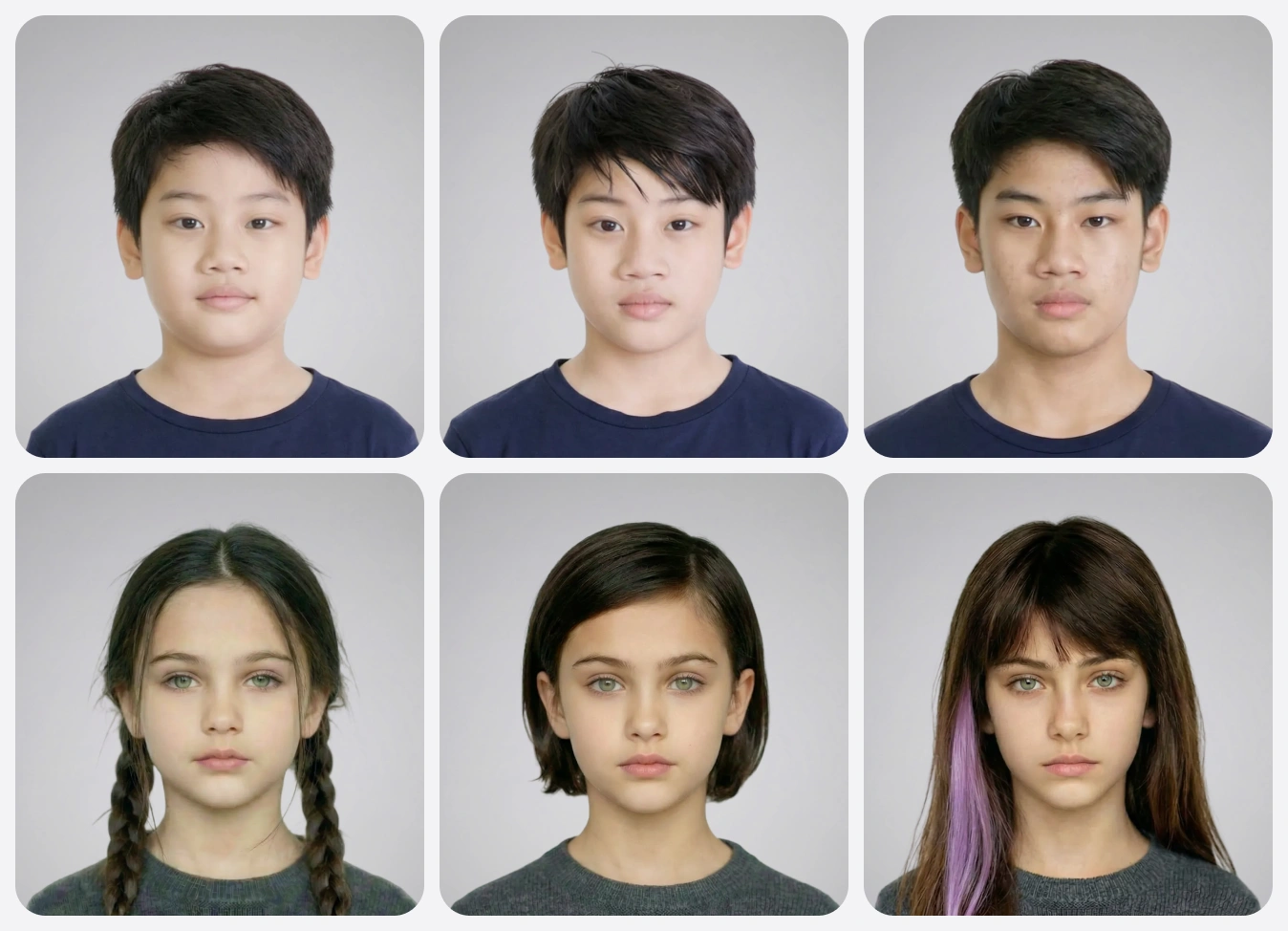
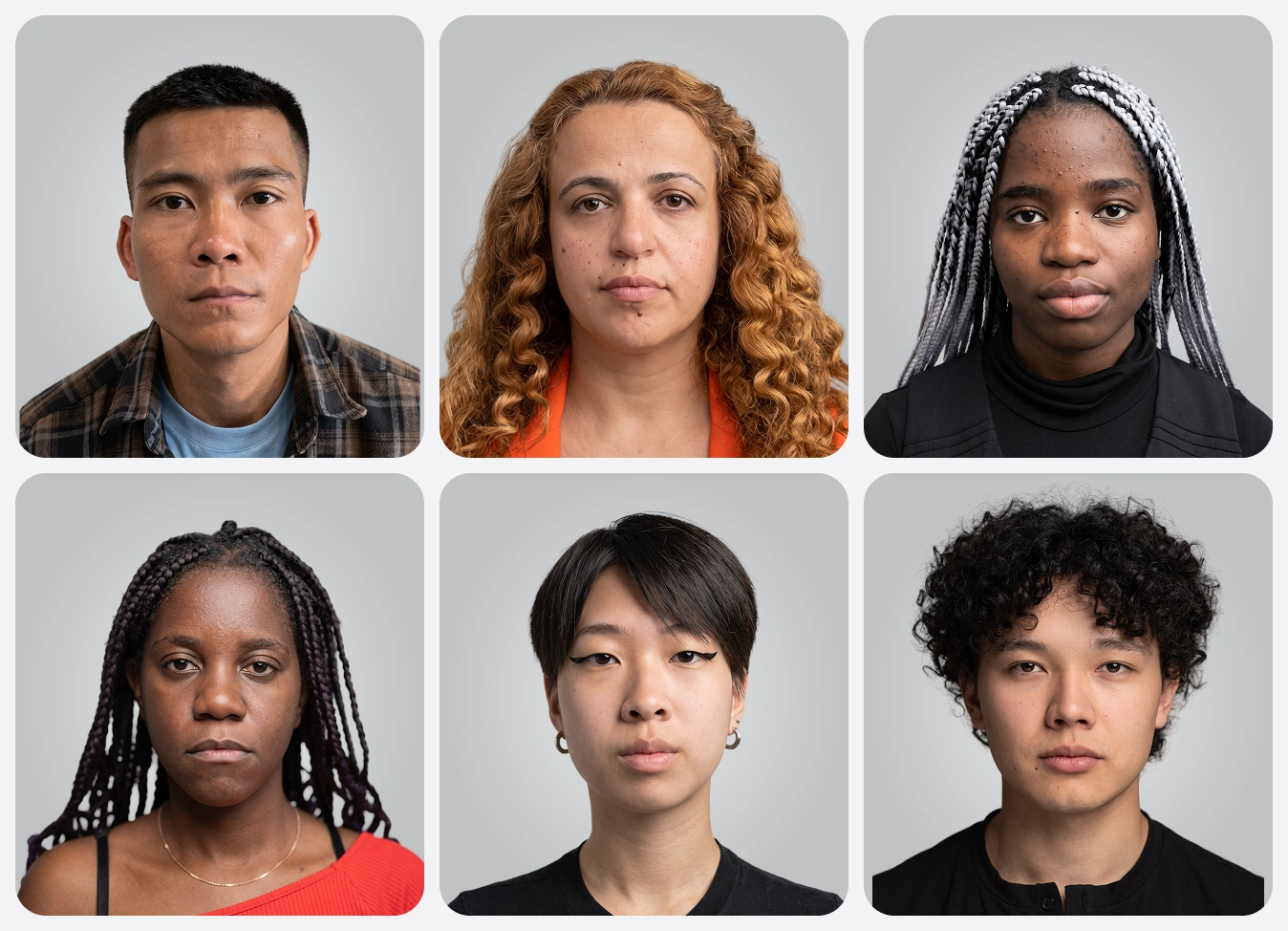
- A tailored Level 1 dataset with 50 actors across a wide ethnic range (60% Caucasian, 20% African, 20% Asian).
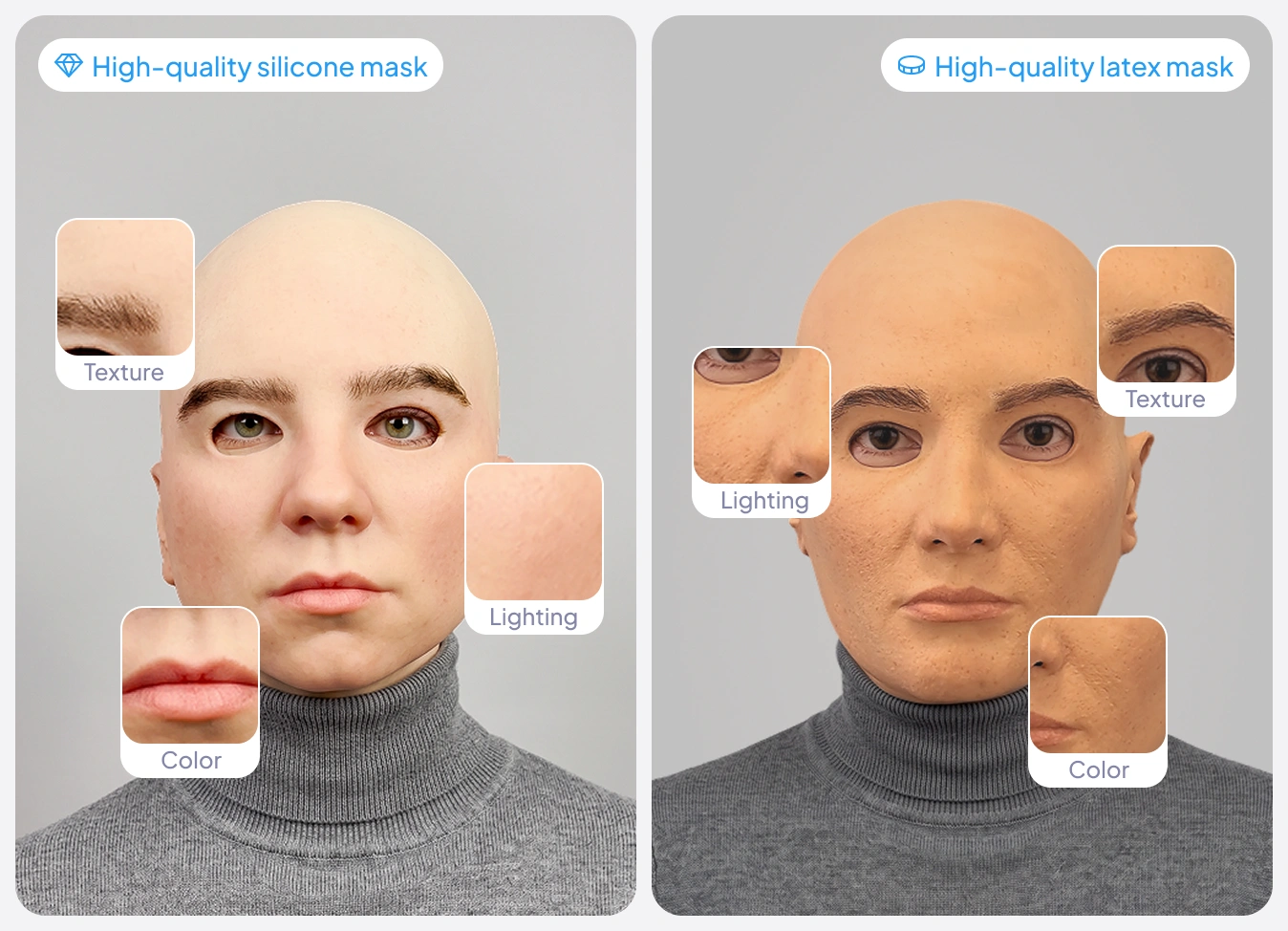
- Each actor performed multiple presentation attacks — photos, masks, and replays.
- Integrated with the client's existing data to raise coverage where it was thinnest.
- Real-world scenarios and high-resolution video met iBeta's lab requirements and minimized Type I and Type II errors.
| Phase | Input | Scope of Work | Quality Control |
|---|---|---|---|
| Model & Requirements Intake | Client's face-biometric model, target Level 1 scope | Access setup; identifying which ethnic groups drive the 91% ceiling | Weak groups named, not averaged into a single score |
| Coverage Gap Review | In-house + open-source data | Auditing ethnic distribution and attack coverage per group | Underrepresented groups documented against Level 1 requirements |
| Dataset Assembly | Tailored Level 1 set (50 actors) | Actors across the required ethnic range, each through photo, mask, and replay attacks | Ethnic coverage and attack types confirmed per actor |
| Integration & Retraining | Delivered dataset + client data | Merging new coverage with existing data and retraining | Coverage raised where it was thinnest |
| Validation & Error Analysis | Model inference results | Accuracy breakdown by ethnicity; checking Type I / II balance | Improvement holds across all groups, not just the average |
| Pre-Check & Handoff | Retrained model, final dataset | Level 1 pre-check; report and data handoff | Client sign-off; model cleared for lab submission |
Days 1–2
Model & Requirements Intake
Days 3–7
Coverage Gap Review & Dataset Assembly
Days 8–15
Integration & Retraining
Days 16–21
Validation & Handoff
The Results
- Accuracy rose from 91% to 98–99% across all ethnicities.
- Passed iBeta Level 1 on the first attempt.
- No additional training cycles; deployment stayed on schedule.
You have to measure a coverage gap before you can close it. We ran fifty actors across a genuine ethnic range through photo, mask, and replay attacks, and that took the model from 91% to 98–99% accuracy that held up under lab conditions and not just on the client's own test data.

- Kirill Meshyk
- Head of Data Collection