

Audio Data Collection Services for AI Training
We capture, process, and deliver high-quality audio datasets purpose-built for machine listening, sound recognition, and acoustic AI models. From ambient soundscapes and environmental noise to music, industrial signals, and human-generated audio — our end-to-end collection service provides the acoustic diversity your model needs to perform reliably in the real world.
- 25+ crowdsourcing platforms
- 30+ industries
Our Expertise
A Clear, Controlled Workflow From Brief to Delivery
Use cases
- music recommendation engines
- auto-tagging systems
- AI composition tools
- content moderation.
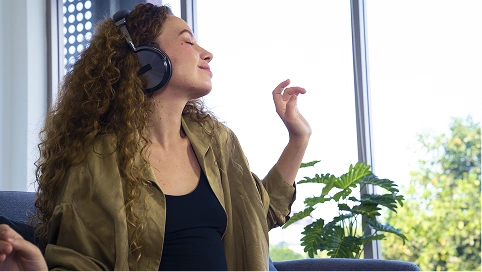
Use cases
- smart home devices
- noise cancellation systems
- environmental monitoring
- security and surveillance AI
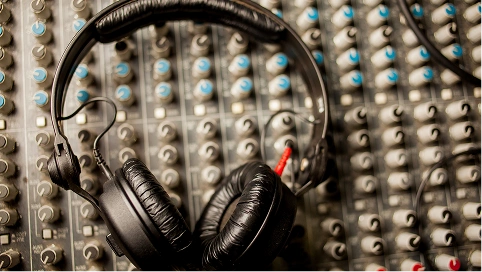
Use cases
- predictive maintenance
- anomaly detection in industrial IoT
- equipment health monitoring.
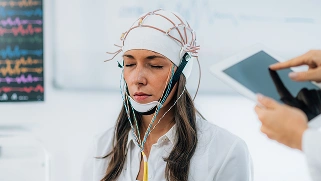
Use cases
- remote patient monitoring
- respiratory disease detection
- wildlife conservation AI
- hearing aid optimization.
Use cases
- smart security systems
- emergency response AI
- always-on listening devices
- automotive safety systems.

Use cases
- transcription services
- call analytics
- meeting summarization tools
- speaker identification systems.
Audio Data Collection Methods
Platforms and Tools
Recording & capture
Zoom H-series, ReSpeaker arrays, custom IoT recording rigs, mobile SDK-based capture apps
Annotation & labeling
Audacity (manual review), Label Studio, Prodigy, proprietary audio tagging interface
Processing & augmentation
librosa, SoX, FFmpeg, RNNoise
Pipeline orchestration Apache Airflow, Prefect
Apache Airflow, Prefect
Storage & delivery
AWS S3, Google Cloud Storage; formats including WAV, FLAC, MP3, Opus — mono and multi-channel
QA tooling
SNR analysis, silence detection, clipping checks, inter-annotator agreement scoring
Project Steps
01
Discovery & requirements scoping
- We analyze your data, define the methodology, and assign a dedicated project lead. The right annotation type and domain-matched annotators are confirmed before anything starts.
02
Audio strategy & source planning
- We design a collection plan combining field, studio, crowdsourced, and synthetic methods to achieve the acoustic diversity your model needs, with a sampling strategy that balances environments, devices, and demographic variation.
03
Pilot batch & quality check
- A test batch is collected, processed, and reviewed against your quality criteria — SNR thresholds, annotation accuracy, format conformity — before full-scale production begins.
04
Full-scale collection & annotation
- Collection runs across all planned channels simultaneously. Annotation teams apply event labels, timestamps, speaker tags, and custom taxonomy markers with real-time QA oversight.
05
Quality assurance
- Automated signal quality checks (SNR, clipping, silence ratio) run alongside human review and inter-annotator agreement scoring. Only files meeting agreed thresholds pass to delivery.
06
Delivery & ongoing support
- Datasets are delivered in your specified format and codec via secure transfer or cloud bucket. We support iterative dataset expansion, domain-specific fine-tuning batches, and long-term collection partnerships.
Frequently Asked Questions
What sources can you use to collect audio data?
Depending on the task, we use consented speakers, crowdsourcing platforms, in-house or on-site recording, client-provided audio recordings and voice samples, legally permissible public sources, and licensed or off-the-shelf audio datasets. Before collection, our data collectors assess source permissions, speaker consent, platform terms, geographic restrictions, and the usage rights required for the intended application.
How do you manage consent, privacy, and data usage rights?
Before launch, we define the lawful basis or source permission, participant notices and consent where required, permitted uses, retention period, and transfer conditions for voice samples and recordings. Personal data is minimized and can be pseudonymized or anonymized where appropriate, with exact controls depending on the data category and jurisdictions involved.
Do you provide audio data validation and verification?
Yes. Validation criteria are derived from the technical specification and can cover completeness, file integrity, audio formats and metadata, technical quality, transcription accuracy, and labeling consistency across the audio corpus. Checks run during collection and again before delivery, with acceptance thresholds and rework rules agreed in advance.
Can you annotate the audio you collect?`
Yes. Collection, validation, and audio annotation can be delivered as one workflow, so the same technical specification and metadata scheme carry through to labeling. Our specialists support annotating audio for transcription services, speaker recognition, sentiment analysis, and other annotated speech workflows tied to the model task.
How long does an audio data collection project take?
Timelines depend on the target languages, volume, participant recruitment, recording setup, annotation complexity, and client review cycles. After feasibility assessment, we provide a project plan covering the pilot, ramp-up, expected throughput, quality review, and final delivery milestones.
How do you ensure audio data quality during collection?
Quality is controlled at three stages: before launch, during collection, and before delivery. We validate the specification and pilot, monitor recording parameters during production, and run automated checks and human review against agreed transcription accuracy and voice analytics thresholds to keep the dataset AI-ready.
What audio and metadata formats can you deliver?
We support standard and project-specific audio formats along with speaker ID, timestamps, transcriptions, and recording condition metadata. Before production, we agree the file type or codec, folder structure, naming convention, and metadata schema so the datasets integrate into the client's ML pipeline.
How do you ensure data security?`
Security controls are defined for each project based on the audio data type and client requirements. Depending on the scope, they may include NDAs, role-based access, secure data transfer and storage, data minimization, and agreed retention or deletion rules. Our data collection processes support privacy compliance based on the project scope, data type, and jurisdictions involved.
Ready to get started?
Tell us what you need — we’ll reply within 24h with a free estimate

- Andrew
- Head of Client Success
— I'll guide you through every step, from your first
message to full project delivery
Thank you for your
message
We use cookies to enhance your experience, personalize content, ads, and analyze traffic. By clicking 'Accept All', you agree to our Cookie Policy.