
Task
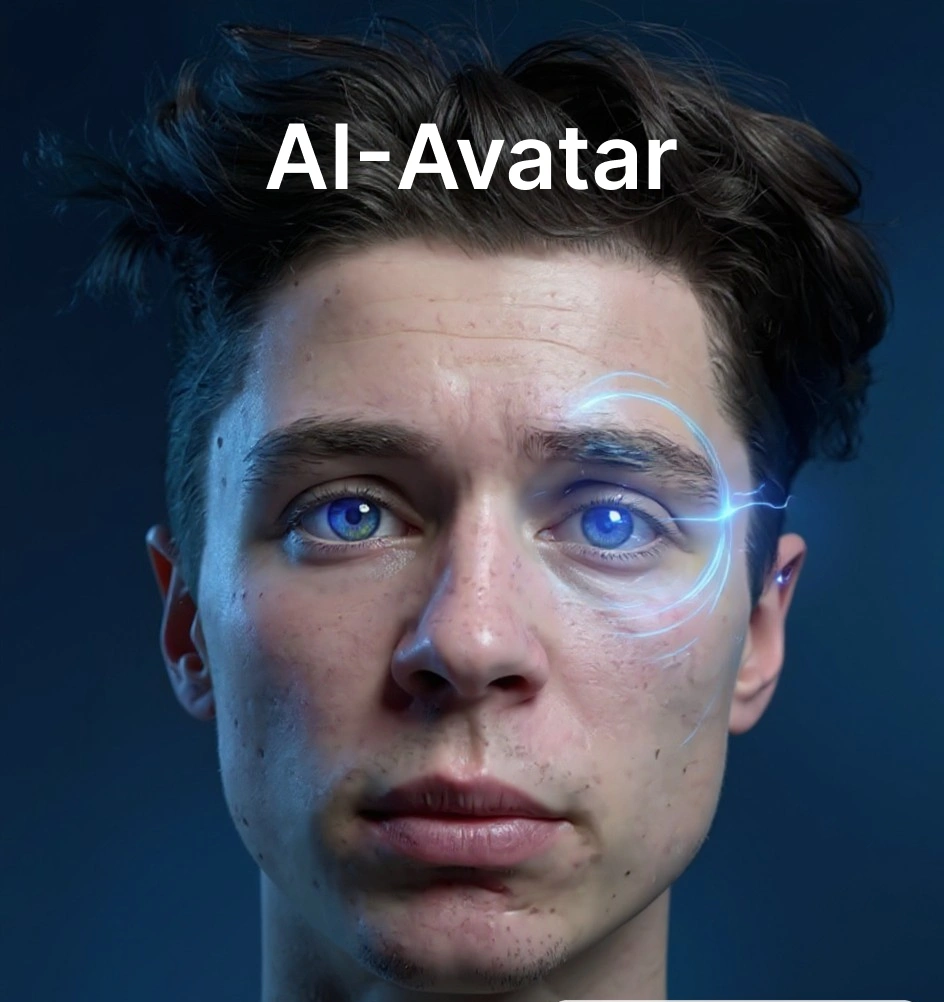
The client required high-quality, multi-angle video data for training emotion recognition models. Each participant had to perform scripted emotional expressions in English, recorded simultaneously from three camera angles to enable precise facial, micro-expression, and lip-sync analysis.
The project involved:
- Creating a custom multi-camera recording setup
- Ensuring frame-accurate synchronization
- Working with actors performing emotional scenarios
- Maintaining consistent visual quality across different recording periods
- Building a scalable and repeatable production pipeline suitable for AI training
Key challenges included:
- Technical synchronization across three cameras without frame drops or desynchronization
- Physical filming constraints, including heat, long sessions, and studio limitations
- Unclear acceptance criteria at early stages, requiring alignment with the client during production
- Actor selection and validation, including emotional accuracy and consistency
- Data rejection risks caused by lighting artifacts, facial occlusions, or sync issues
Solution
-
- 01
-
Technical setup optimization
After extensive testing, the team developed a stable and scalable setup using:
- Three professional-grade mobile cameras recording in 4K at 60 FPS
- A centralized camera control system for synchronized operation
- An additional mobile device used as a control hub to manage and monitor all cameras
This configuration delivered frame-accurate synchronization and eliminated previous stability issues.
Special credit goes to the engineering team for developing and refining this workflow from scratch. -
- 02
-
Studio and production optimization
During the project, several filming locations were tested:
- professional sound studios
- coworking spaces adapted for filming
- a fully reconfigured internal studio space
To reduce costs and improve flexibility, the final stage was recorded in a customized in-house studio setup, allowing full control without rental expenses.
-
- 03
-
Actor validation and quality filtering
To minimize rejection rates, a multi-step validation process was introduced:
- Pre-screening via recorded self-introductions
- Live online validation sessions with real-time feedback
- Joint evaluation with the client before final approval
This approach significantly reduced the risk of unusable data and improved alignment with client expectations.
-
- 04
-
Quality control & data validation
A multi-layer QC process was implemented:
- Verification of facial visibility (no glasses glare or occlusions)
- Synchronization checks across all camera angles
- Validation of emotional expressiveness and timing
- Consistent file naming and metadata alignment
Results
Designed and deployed a stable multi-camera capture system for high-precision data collection
Built a centralized control workflow enabling real-time recording, synchronization, and quality monitoring
Successfully recorded 47 identity sessions under production conditions